Cinema Technology Brings Immersive Sound and Visual Innovation
Cinema technology has developed rapidly over the years, transforming https://thevillagegroupe.com/ the way audiences experience films in theaters. What once relied on basic projection and simple audio systems has now evolved into highly advanced digital environments designed to fully immerse viewers in storytelling. Modern cinema is no longer just about watching a movie on a screen, but about entering a carefully crafted audiovisual world where every detail, from color tone to sound direction, is engineered to enhance emotional impact and realism.
Advanced Visual Projection Systems
One of the most important breakthroughs in cinema technology is the development of advanced projection systems. Laser projection and ultra-high-definition formats have replaced older technologies, delivering brighter images, sharper details, and more accurate color reproduction. These systems allow filmmakers to present their creative vision with greater precision, ensuring that every frame looks vivid and consistent across different scenes. As a result, audiences can enjoy visuals that feel more lifelike and visually engaging, especially in large-format screenings where scale and clarity matter even more.
Immersive Sound Engineering
Sound technology is equally important in shaping modern cinema experiences, and it has undergone a dramatic transformation in recent years. Instead of traditional stereo audio, theaters now use multi-channel surround sound systems that create a three-dimensional audio environment. This allows sound to move naturally around the audience, matching on-screen action with precise directional effects. Dialogue feels clearer, background ambiance becomes richer, and musical scores gain deeper emotional resonance, all of which contribute to a more immersive storytelling experience that draws viewers further into the film.
Large Format and Premium Viewing Experiences
Cinema technology has also introduced premium viewing formats that elevate the overall experience beyond standard screenings. Large-format screens, high frame rate projection, and enhanced brightness levels create a more powerful visual impact that intensifies action scenes and emotional moments. These premium formats are designed to maximize immersion, making audiences feel as if they are inside the story rather than simply observing it. This evolution reflects the industry’s ongoing effort to differentiate theatrical viewing from home entertainment systems.
Digital Cinema and Automation Systems
The shift from analog film reels to fully digital cinema systems has revolutionized how movies are delivered and shown in theaters. Digital projection ensures consistent quality, eliminates many technical errors, and allows for smoother playback across all screenings. Automation systems now manage scheduling, calibration, and content delivery, reducing human error and improving operational efficiency. This technological shift has not only improved reliability but also made it easier for cinemas to maintain high presentation standards across multiple locations.
Enhanced Color and Image Processing
Modern cinema technology also focuses heavily on image processing and color enhancement to deliver more visually striking content. Advanced color grading techniques ensure that each scene maintains the intended mood and atmosphere, while image processing tools improve contrast, sharpness, and brightness balance. These enhancements help create a more cinematic look that feels natural yet visually impactful, allowing audiences to appreciate subtle visual details that might otherwise go unnoticed in lower-quality displays.
Immersive Theater Environments
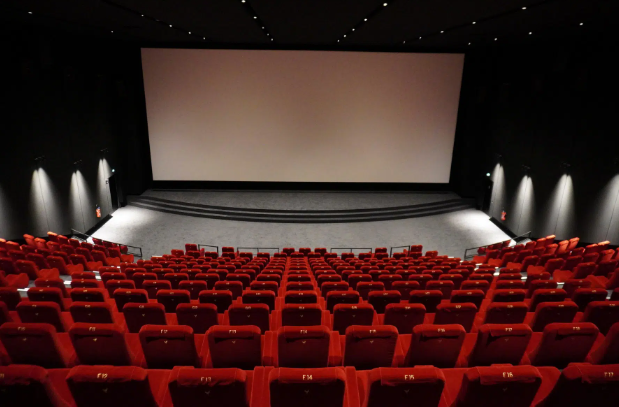
Beyond screens and sound systems, cinema technology also influences the design of theater environments themselves. Modern cinemas are built with acoustic optimization, controlled lighting, and carefully planned seating arrangements to enhance viewing comfort and reduce distractions. Every element of the theater is designed to support immersion, ensuring that nothing pulls attention away from the film. This holistic approach to design helps create a seamless experience where technology and environment work together to support storytelling.
Integration of Digital Innovation
The cinema industry has also embraced digital innovation beyond the screening room, incorporating technologies such as AI-driven recommendations, smart ticketing systems, and automated scheduling tools. These innovations improve convenience for audiences while allowing theaters to operate more efficiently. From booking a seat to entering the theater, digital systems streamline the entire process, making cinema visits smoother and more accessible while still maintaining a premium entertainment experience.
The Role of Filmmakers and Technology
Modern filmmaking is closely tied to the capabilities of cinema technology, as directors and production teams now design films with advanced projection and sound systems in mind. Visual effects, sound design, and editing techniques are optimized to take full advantage of theater-grade technology, ensuring that the final product delivers maximum impact on the big screen. This collaboration between creative vision and technical innovation results in a more powerful and immersive storytelling experience for audiences.
The Future of Cinema Innovation
Looking ahead, cinema technology is expected to continue evolving with even more advanced innovations such as AI-enhanced projection, interactive viewing environments, and next-generation immersive audio systems. These developments will further blur the line between audience and story, creating experiences that feel increasingly real and emotionally engaging. As technology continues to advance, the core goal of cinema remains unchanged: to deliver unforgettable storytelling experiences that captivate audiences through the perfect blend of sound, visuals, and emotion.