The Environmental Challenges of Single-Use Protective Gloves
Single-use protective gloves play an important role in healthcare, food preparation, laboratories, and industrial workplaces. They help reduce direct contact with contaminants and support hygiene procedures. However, their widespread use also creates environmental challenges, particularly when large quantities become waste after a single task. Understanding the impact of single-use protective gloves can help businesses balance workplace safety with responsible waste management.
Many disposable gloves contain synthetic materials, such as nitrile and vinyl, while others use natural rubber latex. Each material has different properties, manufacturing requirements, and disposal considerations. Organizations that purchase https://www.glovesupply.us/ should consider not only product performance but also how glove use affects waste generation throughout their operations.
How Single-Use Protective Gloves Contribute to Waste
Disposable gloves generate waste because workers typically discard them after use or when contamination makes continued use inappropriate. Hospitals, laboratories, food processing facilities, and cleaning services may consume substantial quantities during routine operations.
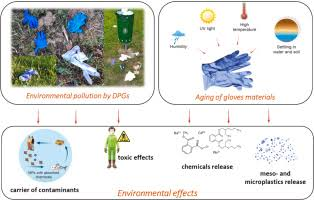
Many gloves contain polymers that do not readily break down under ordinary environmental conditions. When discarded incorrectly, they can contribute to persistent litter and plastic pollution. Gloves that enter waterways may also pose risks to wildlife through entanglement or ingestion.
The overall environmental impact depends on several factors, including material composition, manufacturing methods, product lifespan, and disposal practices. Therefore, reducing unnecessary glove use while maintaining required hygiene standards can help limit avoidable waste.
The Environmental Cost of Glove Manufacturing
Producing disposable gloves requires raw materials, energy, water, and industrial equipment. Manufacturers must process the selected material, form the glove, apply appropriate treatments, inspect the product, and prepare it for distribution. Each stage can contribute to resource consumption and emissions.
Transportation also affects the environmental footprint. Gloves may travel through several stages of distribution before reaching hospitals, businesses, or end users. Packaging adds further material use, especially when products require individual or specialized packaging to maintain cleanliness.
Manufacturers can explore ways to improve production efficiency, reduce material losses, and manage water and energy use. However, the environmental benefits of these measures depend on the technology, production scale, and materials involved.
Challenges in Disposable Glove Disposal
Disposal is particularly complicated when gloves have contacted biological materials, chemicals, or other hazardous substances. Healthcare facilities and laboratories must follow applicable waste-management rules rather than treating every used glove as ordinary household waste.
Contaminated gloves may require designated disposal streams or specialized treatment. Recycling can also be difficult because gloves may contain contaminants, combine different materials, or lack access to suitable collection and processing systems.
For businesses reviewing sustainable glove waste management, clear disposal procedures can help employees separate waste correctly. Facilities should consult local regulations and qualified waste contractors to determine the appropriate handling method for each type of used glove.
Reducing the Environmental Impact of Single-Use Gloves
Organizations can reduce unnecessary waste by assessing when gloves are required and selecting the correct type for each task. Workers should follow workplace hygiene procedures and change gloves whenever safety rules require it. Avoiding unnecessary use does not mean reusing disposable gloves when doing so would compromise protection.
Purchasing teams can also evaluate product specifications, packaging quantities, supplier practices, and available environmental information. Some manufacturers may offer products designed to reduce material use, but buyers should verify that these products still meet the performance and safety requirements of their intended applications.
Improved staff training can further support responsible glove use. Clear instructions help employees understand when to wear gloves, when to replace them, and how to dispose of them properly.
Exploring More Sustainable Glove Options
Interest in lower-impact protective equipment has encouraged businesses to examine material innovation and improved manufacturing practices. Researchers and manufacturers continue to investigate alternatives that may reduce resource use or improve end-of-life outcomes.
However, labels such as biodegradable or eco-friendly do not automatically mean a glove will break down in ordinary landfill conditions. Performance depends on the material, disposal environment, and availability of suitable industrial composting or treatment facilities. Organizations should review credible product evidence before changing procurement policies.
Environmental considerations must remain balanced with effective protection, workplace hygiene, and applicable safety standards when selecting disposable gloves.